Introduction
Here’s something nobody tells you about home remodel projects: they’re less about choosing the right backsplash and more about keeping your sanity intact while your entire life gets turned upside down. You’ll eat takeout for weeks, shower at your gym, and have conversations with contractors that feel like hostage negotiations. Recent data shows that 87% of homeowners face major challenges during renovations, with stress and unexpected problems topping the list.
The difference between homeowners who sail through and those who spiral? Preparation. Since 1982, Tracy’s Quality Painting Inc. has helped thousands of people complete successful remodels, turning what could have been a mess into smooth projects.
This guide explains exactly what you need to do to make sure your renovations go smoothly and don’t turn into total disasters. We’ll talk about setting goals, making a budget, picking a contractor, and the things that come up that no one tells you about.
Set Your Goals and Priorities
Before you start choosing colors or demolishing walls, make sure you know what you want to do. Are you fixing up a house to sell it or building something you’ll love for years?
1. Start With Your Why
Every successful home remodel begins with honest motivation. Spend a week documenting what genuinely frustrates you about your space. Not what looks cool on social media, but what drives you crazy daily. The busy kitchen, the small bathroom, and the dark hallway. These pain points show what matters most to you.
2. The Three-Level Priority Approach
Put things into three groups: things that can’t be changed (like fixing the structure and making it safer), things that are nice but not necessary (like dream features), and things that are nice but not necessary (like dream features). This keeps you from freaking out when your contractor says, “We can do it, but it’ll cost more.”
Plan a Sensible Budget
Everyone hates talking about money, but if you skip this step, things will go wrong. Let’s make a budget that will work in the real world.
Research and Plan Properly
Connect with multiple contractors for preliminary estimates. Find out how much similar projects in your area cost. This groundwork gives you a real place to start instead of just hoping for the best.
The Contingency Fund Reality
The truth is that three out of four homeowners go over their budget. Problems are hidden by walls. Floors conceal damage. Systems fail unexpectedly. Budget an extra cushion for surprises, because surprises will happen.
REALITY CHECK: What Nobody Tells You About Renovation Budgets
The number you’re thinking right now? It’s probably not enough.
Industry data shows that nearly half of homeowners who go over budget exceed it significantly. Those “unexpected discoveries” aren’t rare exceptions—they’re standard operating procedure. That wall you wanted removed? Load-bearing. Those pipes? Ancient and corroding. The subfloor? Water damage everywhere.
Smart homeowners allocate their budgets across four categories: materials take the largest chunk, labor costs come next, design and permits need their share, and contingency funds cover the inevitable surprises. Without proper allocation, you’re just guessing and hoping.
Choose the Right Professionals
Finding the right contractor separates smooth projects from horror stories. This person will occupy your home and make major decisions about your vision.
1. Interview as It Matters
Don’t just accept the lowest bid. Interview at least three professionals and ask questions that reveal character: How do they handle projects that go sideways? What’s their communication style when problems emerge? Their answers matter more than their portfolio.
2. Verify Credentials Independently
Every legitimate contractor carries a license and insurance. Verify this independently—request certificates directly from their insurance provider. Check references with specific questions: Did they stay on timeline? How did they handle surprises?
Create a Detailed Remodel Timeline
Kitchen renovations take twice as long to plan as they do to build. Most homeowners flip this ratio and wonder why everything falls apart.
1. Break Down Realistic Phases
A successful home remodel needs careful phase planning: pre-construction (design, permits, materials), demolition, rough-in work (electrical, plumbing), finishing (drywall, flooring, painting), and final installation (cabinets, fixtures). Each phase builds on the previous one.
2. The Material Lead Time Trap
Custom cabinets need months to arrive. Specialty tiles take weeks. Appliances can have ridiculous lead times. Order long-lead items immediately after finalizing designs, not when construction starts. One delayed material halts your entire project.
WARNING SIGNS: When to Walk Away From a Contractor
- Doesn’t call or show up late to the first meeting
- Can’t give you the current insurance certificates
- Pressure tactics: “This price is only good today.”
- Not a clear time frame: “Probably 3–4 weeks, maybe more.”
- Asks for a big payment up front (more than 10%)
- No written agreement or unclear work scope
One red flag? Get clarification. Two red flags? Proceed very carefully. Three or more? Just walk away.
Select Materials Early
Indecision during construction kills projects. Before demolition starts, make all of your major choices so that contractors can install what you want.
1. Make Key Decisions Before Demolition
Pick out your flooring, cabinets, countertops, tiles, paint, fixtures, and hardware ahead of time. Make a master list with extra choices. If your first choice is no longer available (which happens), you’ll have other options ready.
2. Durability Beats Trends
That bold tile may look great now, but in five years it will scream “old.” For permanent fixtures, choose things that will never go out of style. Add personality with things that can be changed, like paint or hardware.
Handling Common Challenges
Living through a home remodel tests patience, relationships, and sanity. Dust invades everywhere. Noise starts early. Your routine disappears. Set up temporary solutions before chaos hits.
Effective communication prevents disasters. Establish weekly check-ins with your contractor. Get everything in writing—scope changes, budget adjustments, timeline shifts. Documentation saves you later.
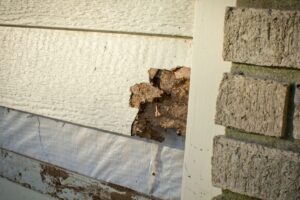
Surprises will happen—faulty wiring, structural problems, mold. Stay calm, request photos documenting issues, and get multiple opinions on expensive fixes. Your contingency fund exists for this moment.
Bringing It All Together
Planning a stress-free home remodel isn’t about preventing every problem—it’s about building systems that handle problems without destroying your project. Set clear goals and be honest about what is most important to you. Make budgets that are realistic and include emergency funds. Pick contractors based on how well they can talk to you as well as how well they can do the job. Make detailed schedules that include extra time. Before building starts, make important decisions about materials.
At Tracy’s Quality Painting Inc., we’ve been turning renovation stress into success since 1982. Our team specializes in comprehensive remodeling services, including kitchen and bath updates, interior and exterior painting, drywall work, siding repair, window and door installation, and complete home remodel coordination. We proudly serve homeowners planning a home remodel in Fox Island, Gig Harbor, Port Orchard, Steilacoom, or University Place, WA.
Ready to start your home remodel with a team that makes the process stress-free? Contact Tracy’s Quality Painting Inc. today at (253) 858-8242 to schedule your free consultation.